
Saddleridge Sanctuary
A life shaped by native plants, place, and time

Over the past couple of years, many of you have joined me here.
But there is a place at the center of nearly everything I write—a place I haven’t properly introduced to many of you.
Saddleridge Sanctuary.
I wrote this early on. It still feels important to me… maybe even more so now.
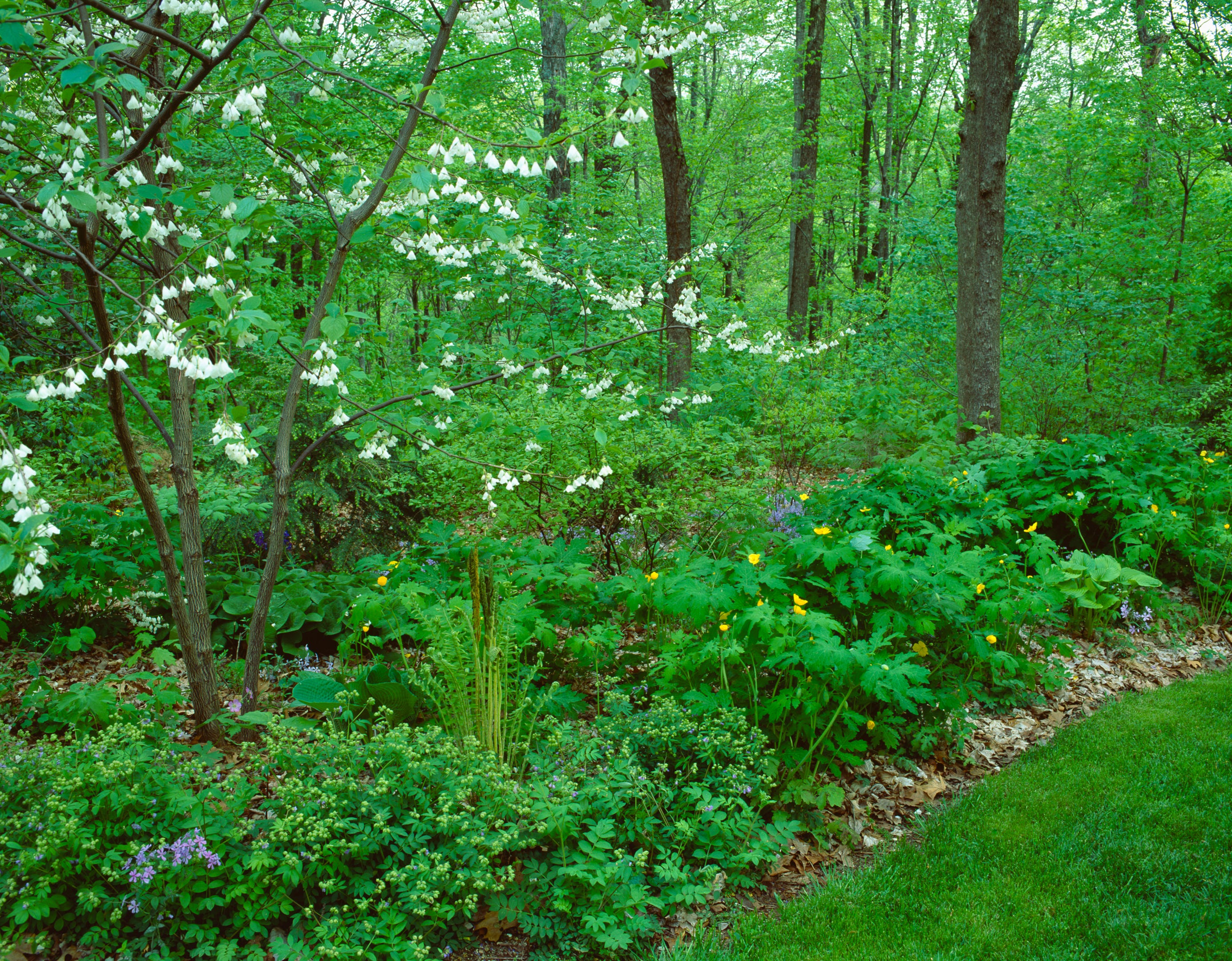
My native plant garden began some thirty-eight years ago, created to complement our newly built home on a wooded hilltop on the outskirts of Nashville.
In those early years, I didn’t have a particular theme or style in mind. I knew I didn’t want to use traditional landscape plants. I was beginning to learn about native plants, and I was fascinated by them—and before long, I was using them in my garden. What better way to get to know them than to grow them?
I don’t recall exactly what first caught my attention—and later my heart—but I was captivated by their names. Who among us wouldn’t be seduced by plants called Doghobble, Possomhaw, Witch-hazel, or Spikenard?
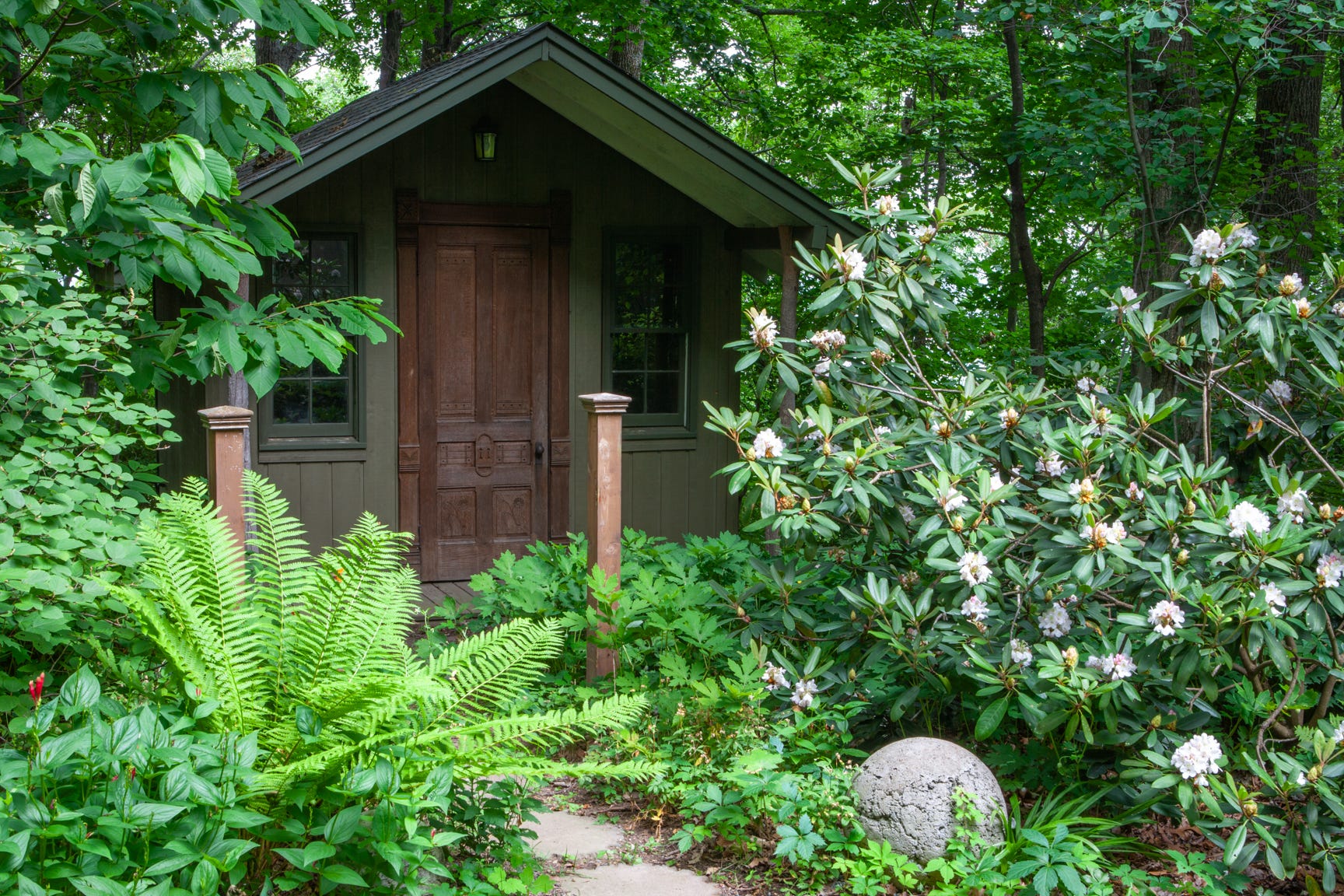
As I grew natives in my garden, I began to think of it as a sanctuary. Over the years, it expanded and thrived beyond my wildest expectations. It became a place where I could observe plants in intimate detail, in every season and at every stage of their lives.
I spent as much time as I could—limited in those early days—visiting parks and natural areas, learning how nature beautifully orchestrates plant communities. I did my best to interpret what I saw in the wild in my own garden.
As my interest deepened, I began adding more hard-to-find species, including some that were endangered or threatened. Herbal and medicinal plants caught my attention, as did the edible ones.
I came to understand that native plants are genetically adapted to their regions, having co-evolved with birds, insects, and other life forms to find their perfect niche.
For many years, my garden has been open for tours, and I’ve shared many of its plants.
I’ll run into friends at the grocery store or in a local park, and they’ll mention a plant I once gave them that has thrived. Hearing this always fills me with joy and gratitude. I like to think those plants find their way to others.
Several years ago, the garden became one of the United Plant Savers Botanical Sanctuaries. As part of that process, I was asked to name the property. It became Saddleridge Sanctuary—named after our subdivision, itself inspired by the surrounding saddle-shaped ridges where our home sits.
My garden and I have aged and grown together. It is the home we still live in—the home where our daughters grew up. It is part of me.
Some of the oldest trees and shrubs are showing their age. Some are dying, a limb at a time—not from disease, but simply from age. It is part of life in the garden, and life in general.
There are new threats now. The most potentially land-altering is the Emerald Ash Borer (EAB), an invasive insect that kills American Ash trees. They make up 20–30% of my woodland, and I shudder to think what it will look like after they are gone.
There are other pressures as well, tied to a changing climate. I’m seeing more plant-related diseases, and extreme weather is taking a toll. I’m trying to adapt by planting more resilient species.
These setbacks don’t deter me. As any gardener will tell you, you have to persevere.
I gave my last official garden tour in 2023. Not because I didn’t love doing them, but because of the time it takes to have a “tour-ready” garden. It’s a bit like preparing for an open house—everything must be just right.
The other reason, and probably the main one, is that we’ve been spending more time at our place on the Cumberland Plateau in Coalmont, Tennessee. We found this magical spot in 2018, fell in love with it, and eventually decided to build there.
It’s a dream location for someone like me who loves nature, hiking, and photography—towering Eastern Hemlocks. An abundance of wildflowers. Terrestrial orchids. A rich assortment of native trees and shrubs. And a small creek that lulls us to sleep at night.
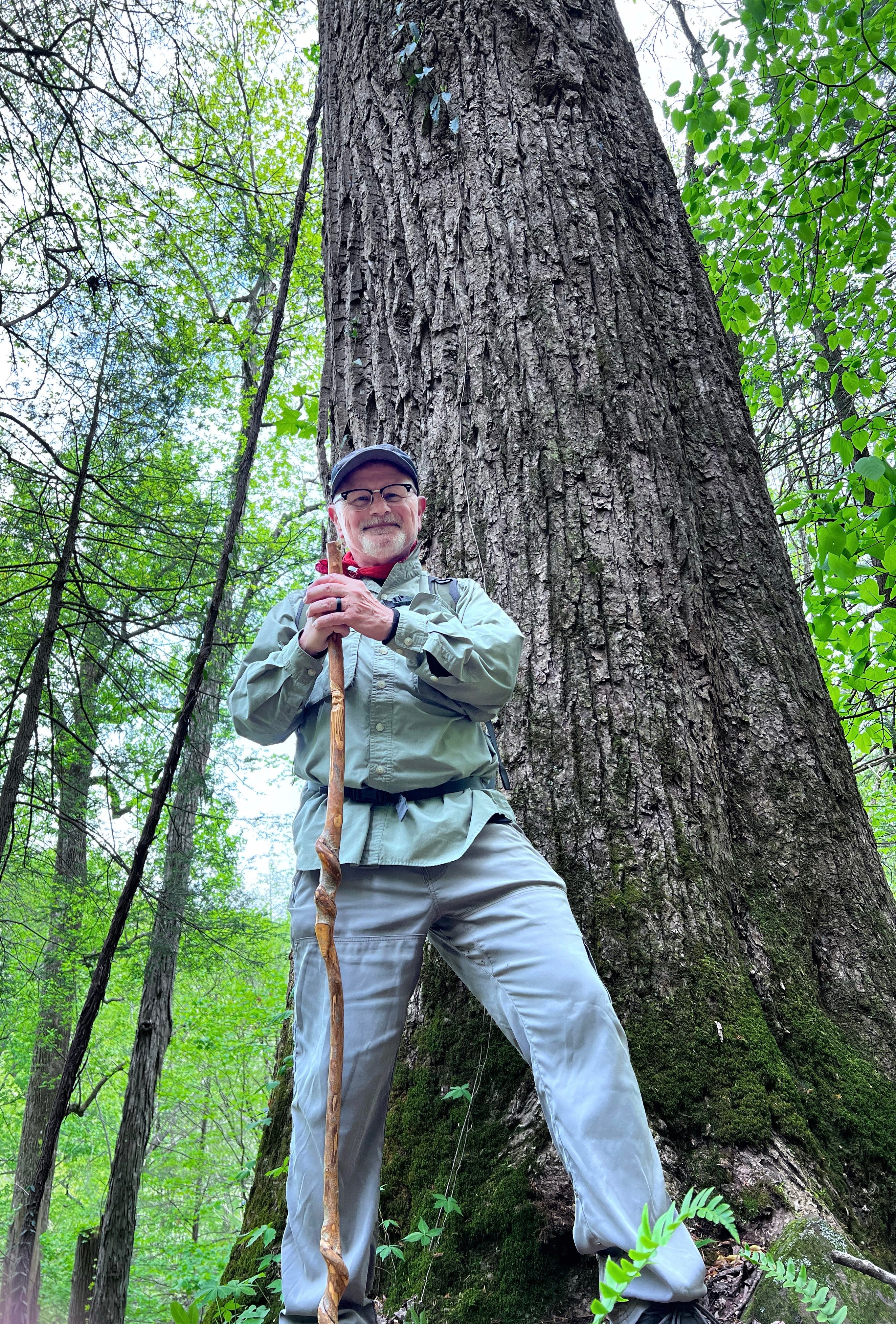
What better way to enjoy native plants than to have them already growing on your own property?
Don’t get me wrong—I still love bringing plants from Saddleridge Sanctuary and giving them a new life here. I’ve even been known to order from specialty native plant growers now and then.
I’m sorry… I can’t help myself.
With all this said, I have the best of both worlds: a mature garden I started some thirty-eight years ago, and a new place filled with some of my favorite plants.
At 72—and as my dad would say, “You’re no spring chicken anymore”—I find myself wanting simply to enjoy and continue learning about native plants. They still hold a deep fascination for me, and I never tire of exploring a new place or trail in search of wildflowers, towering trees, or tumbling waterfalls.
We should all care about nature—we depend on it for every breath. Yet we are losing so many natural areas to development. It is more important than ever not only to grow native plants, but to protect what remains, so that they—and all the life connected to them—can continue to survive and thrive.
I hope others will join me in preserving what is left of this remarkable planet, each in their own way.
Amazing that you discovered native plants 38 years ago. Wow. I only discovered them 2 years ago at age 59. But it’s amazing isn’t it, how they can capture your heart!! I’ve added 30 species in 2 years. So much fun. Currently waiting for our snow to melt to see how everything’s doing.
Loved this! Inspiring read!